
Blog Articles
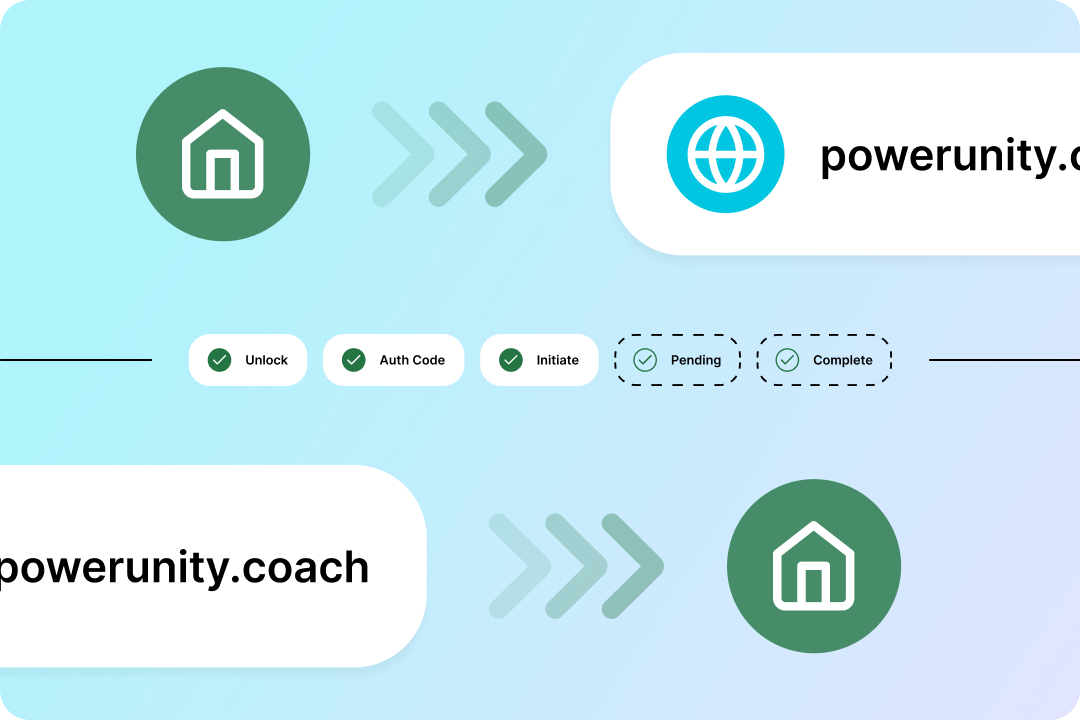
How domain transfers work
For many businesses, domains are more than digital addresses—they’re critical assets that anchor websites, email, and entire online identities. So when it comes time to transfer a domain, the process can feel high-stakes. Done well, it’s seamless and invisible. Done poorly, it risks downtime, customer frustrations, or even lost trust. Behind the scenes, transfers are […]

What is an MX record?
If you’ve ever wondered how an email travels from one address to another and ends up in your inbox, the answer involves something called an MX record. While it lives in the Domain Name System (DNS), its role is all about email: MX records point messages to the right servers so they actually arrive where […]
Self-sovereign digital identities: taking control in a decentralized web
Think about your digital footprint. Your accounts and profiles are spread across multiple platforms: social media, online shopping sites, email addresses, and countless other accounts for managing your day-to-day life. Each is probably managed by a third-party provider, asking for your personal data in exchange for access. The trade-off has long been clear: you get […]
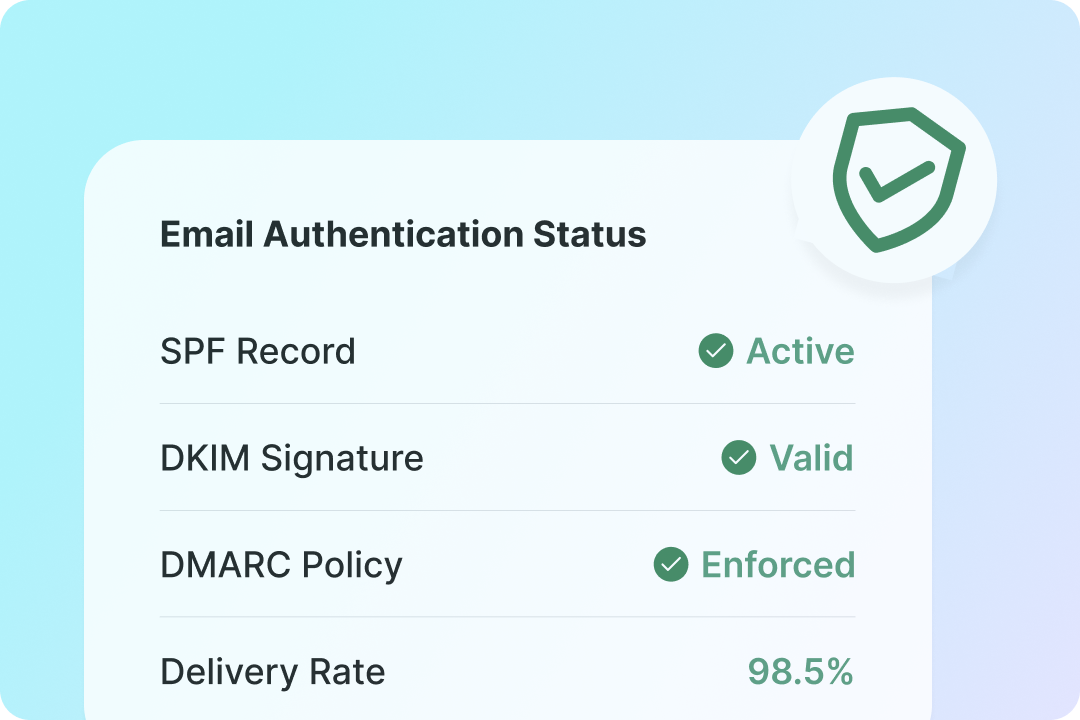
Email authentication 101: SPF vs DKIM vs DMARC
Any business that sends emails—whether transactional, marketing, or support—faces a growing risk of phishing, spoofing, and impersonation. If you’re managing an email service for clients or your own organization, you know these attacks aren’t edge cases anymore; they’re everyday threats. And without the right protections, even legitimate emails can miss the inbox, getting flagged as […]
What is WordPress hosting?
WordPress powers over 43% of all websites on the Internet, and with good reason. It’s flexible, affordable, open-source, and highly customizable, making it the go-to content management system (CMS) for everyone from first-time bloggers to enterprise e-commerce brands. But to get the most out of WordPress, you need the right foundation, and that’s where WordPress […]
Help your clients take their first step into Web3 with .locker
The Internet has been evolving in waves. First came Web1: static pages and limited interaction. Then, Web2 transformed the experience into today’s dynamic, user-driven web. Now, the next wave is taking shape: Web3, built on decentralization, transparency, and individual ownership. Web3 introduces new ways of managing identity, assets, and presence online—using blockchain to keep records […]

Your guide to Storefront’s low-cost, high-value TLDs by industry
Choosing the right domain name isn’t just a branding exercise—it’s a strategic move that shapes how a business is discovered, trusted, and remembered online. Industry-specific domain extensions help business owners send a clear message about what they do and who they serve, making it easier for audiences to find exactly what they’re looking for. And […]

What are the different TLS/SSL certificate types? A complete guide for agencies and MSPs
When you visit a website, one way to tell it’s secure is by checking for a TLS/SSL certificate. These certificates do two important things: they verify the website’s identity, and they encrypt any data exchanged between your browser and the site—both the information you send (like passwords or credit card numbers) and the information it […]
The top domain extensions people are registering—and why it matters for you
You’ve seen them everywhere— .com, .org, and .net. These domain extensions—also called top-level domains (TLDs)— are more than just web addresses; they’ve shaped how we navigate the Internet. Whether you’re naming your next project or advising clients, knowing which extensions dominate the web is a valuable edge. The most familiar TLDs While there are thousands […]
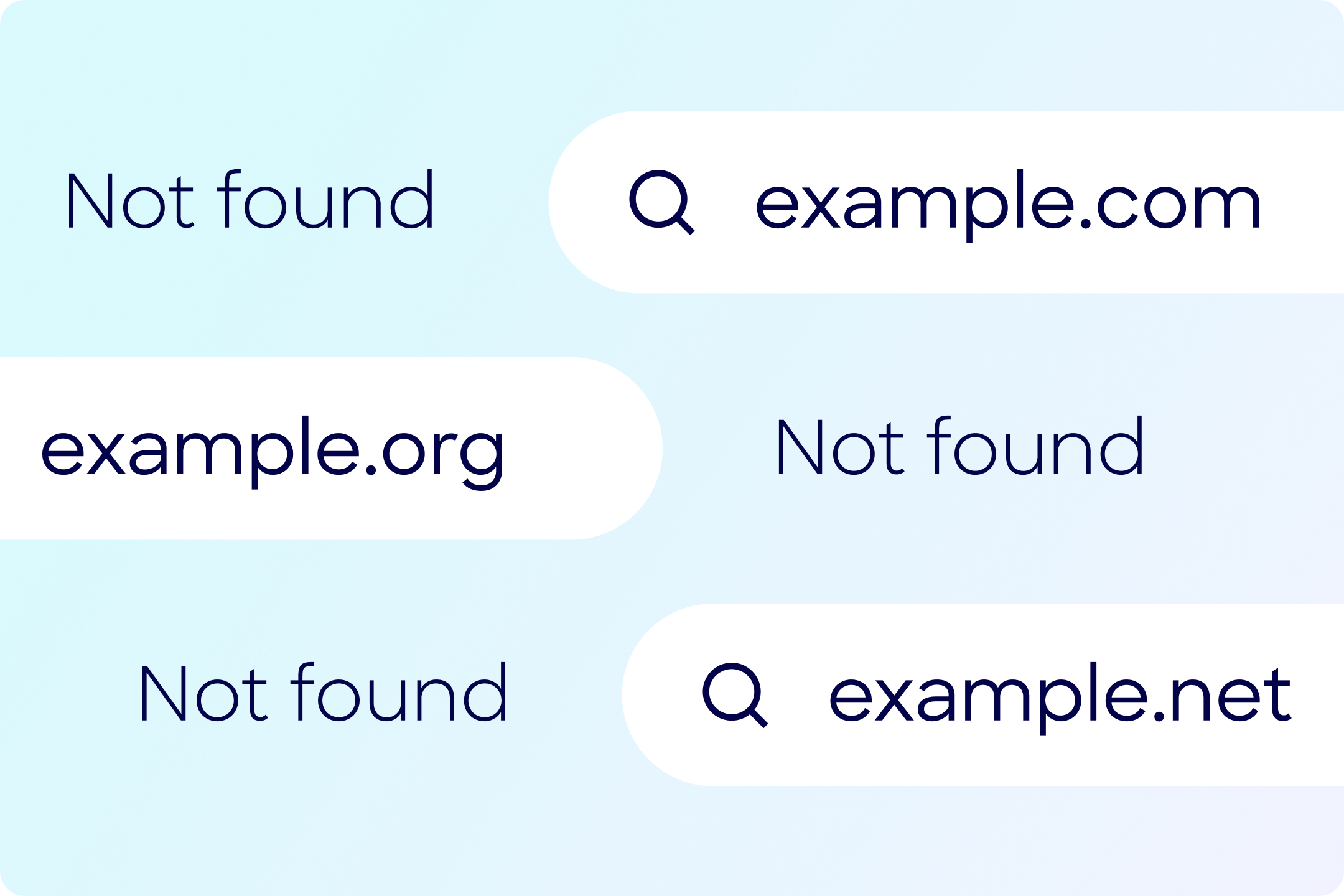
What is a reserved domain?
Did you know that even if you wanted to register example.com, you can’t? No one can. This isn’t a system bug—it’s the registry enforcing rules that intentionally block certain domains from being registered. These are called reserved domains. When you search for a domain, the registrar (e.g., OpenSRS) queries the registry (e.g., Verisign for .com) […]

