The OpenSRS blog
Practical advice, industry news, and product updates to help you grow your business.
The OpenSRS blog
Practical advice, industry news, and product updates to help you grow your business.
The OpenSRS blog
Practical advice, industry news, and product updates to help you grow your business.
The OpenSRS blog
Practical advice, industry news, and product updates to help you grow your business.

Better Your Business
Great customer onboarding builds trust from day one. See how OpenSRS Storefront helps you deliver it.
Great customer onboarding builds trust from day one. See how OpenSRS Storefront helps you deliver it.
Great customer onboarding builds trust from day one. See how OpenSRS Storefront helps you deliver it.

Tiered Access Directory (TACO)
We share our latest TACO request stats from January 1 through April 30, 2026 and explain why requests missing information end up abandoned.
We share our latest TACO request stats from January 1 through April 30, 2026 and explain why requests missing information end up abandoned.
We share our latest TACO request stats from January 1 through April 30, 2026 and explain why requests missing information end up abandoned.

Industry Insight
New auDA eligibility rules could affect existing .com.au and .net.au domains. Here's what's changing and what resellers should check now.
New auDA eligibility rules could affect existing .com.au and .net.au domains. Here's what's changing and what resellers should check now.
New auDA eligibility rules could affect existing .com.au and .net.au domains. Here's what's changing and what resellers should check now.

Better your business, Industry Insight
Strong account management helps agencies, freelancers, and MSPs build client trust, reduce churn, improve retention, and increase client lifetime value.
Strong account management helps agencies, freelancers, and MSPs build client trust, reduce churn, improve retention, and increase client lifetime value.
Strong account management helps agencies, freelancers, and MSPs build client trust, reduce churn, improve retention, and increase client lifetime value.

Announcements, Industry Insight
ICANN86 took place from June 8–11 in Seville, where the sunny skies complemented the energy and optimism felt throughout the conference. In this ICANN recap, we’ll check in on some familiar topics, including how registration data is handled, methods to mitigate DNS Abuse, and an exciting (to policy wonks, at least) update on the status…
ICANN86 took place from June 8–11 in Seville, where the sunny skies complemented the energy and optimism felt throughout the conference. In this ICANN recap, we’ll check in on some familiar topics, including how registration data is handled, methods to mitigate DNS Abuse, and an exciting (to policy wonks, at least) update on the status…
ICANN86 took place from June 8–11 in Seville, where the sunny skies complemented the energy and optimism felt throughout the conference. In this ICANN recap, we’ll check in on some familiar topics, including how registration data is handled, methods to mitigate DNS Abuse, and an exciting (to policy wonks, at least) update on the status…
Better your business, Industry Insight
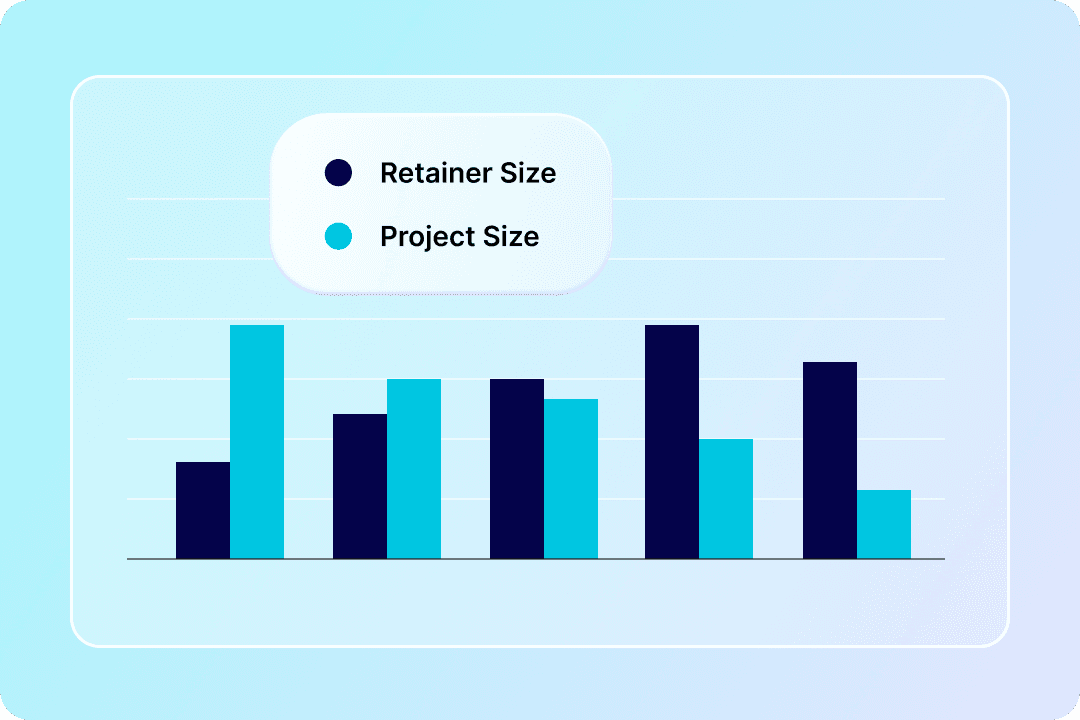
Most agencies know that bigger engagements tend to produce better long-term outcomes. What’s less obvious is why—and more importantly, what structural decisions actually move the needle to increase client lifetime value (LTV). In partnership with Promethean Research , a firm specializing in performance benchmarking for digital agencies, we surveyed 165 high-performing agencies across the…
Most agencies know that bigger engagements tend to produce better long-term outcomes. What’s less obvious is why—and more importantly, what structural decisions actually move the needle to increase client lifetime value (LTV). In partnership with Promethean Research , a firm specializing in performance benchmarking for digital agencies, we surveyed 165 high-performing agencies across the…
Most agencies know that bigger engagements tend to produce better long-term outcomes. What’s less obvious is why—and more importantly, what structural decisions actually move the needle to increase client lifetime value (LTV). In partnership with Promethean Research , a firm specializing in performance benchmarking for digital agencies, we surveyed 165 high-performing agencies across the…

Tiered Access Directory (TACO)
ICANN Contracted Parties—domain registrars and registries—met for the CP Summit in Manchester, UK, at the end of April. The two-day agenda covered policy and operational topics so, before delving into our latest TACO stats, we are sharing some highlights from the various sessions and discussions. Day one of the Summit covered operational topics, starting with…
ICANN Contracted Parties—domain registrars and registries—met for the CP Summit in Manchester, UK, at the end of April. The two-day agenda covered policy and operational topics so, before delving into our latest TACO stats, we are sharing some highlights from the various sessions and discussions. Day one of the Summit covered operational topics, starting with…
ICANN Contracted Parties—domain registrars and registries—met for the CP Summit in Manchester, UK, at the end of April. The two-day agenda covered policy and operational topics so, before delving into our latest TACO stats, we are sharing some highlights from the various sessions and discussions. Day one of the Summit covered operational topics, starting with…

Web Security
There has been an idea floating around the ICANN space for a little while now: in an effort to reduce DNS Abuse, we should shorten the period of time registrants have to verify their domains, or have domains remain inactive until verification is complete. But would this change really have a positive effect that’s worth…
There has been an idea floating around the ICANN space for a little while now: in an effort to reduce DNS Abuse, we should shorten the period of time registrants have to verify their domains, or have domains remain inactive until verification is complete. But would this change really have a positive effect that’s worth…
There has been an idea floating around the ICANN space for a little while now: in an effort to reduce DNS Abuse, we should shorten the period of time registrants have to verify their domains, or have domains remain inactive until verification is complete. But would this change really have a positive effect that’s worth…

Better your business, Industry Insight
Many agencies and managed service providers (MSPs) operate with a mix of two pricing models: one-time projects and recurring retainers. It’s the right approach, but how you structure that mix can have a significant impact on your financial resilience and overall client value. When we analyzed data from 165 high-performing agencies across the web services…
Many agencies and managed service providers (MSPs) operate with a mix of two pricing models: one-time projects and recurring retainers. It’s the right approach, but how you structure that mix can have a significant impact on your financial resilience and overall client value. When we analyzed data from 165 high-performing agencies across the web services…
Many agencies and managed service providers (MSPs) operate with a mix of two pricing models: one-time projects and recurring retainers. It’s the right approach, but how you structure that mix can have a significant impact on your financial resilience and overall client value. When we analyzed data from 165 high-performing agencies across the web services…
Better your business, Industry Insight
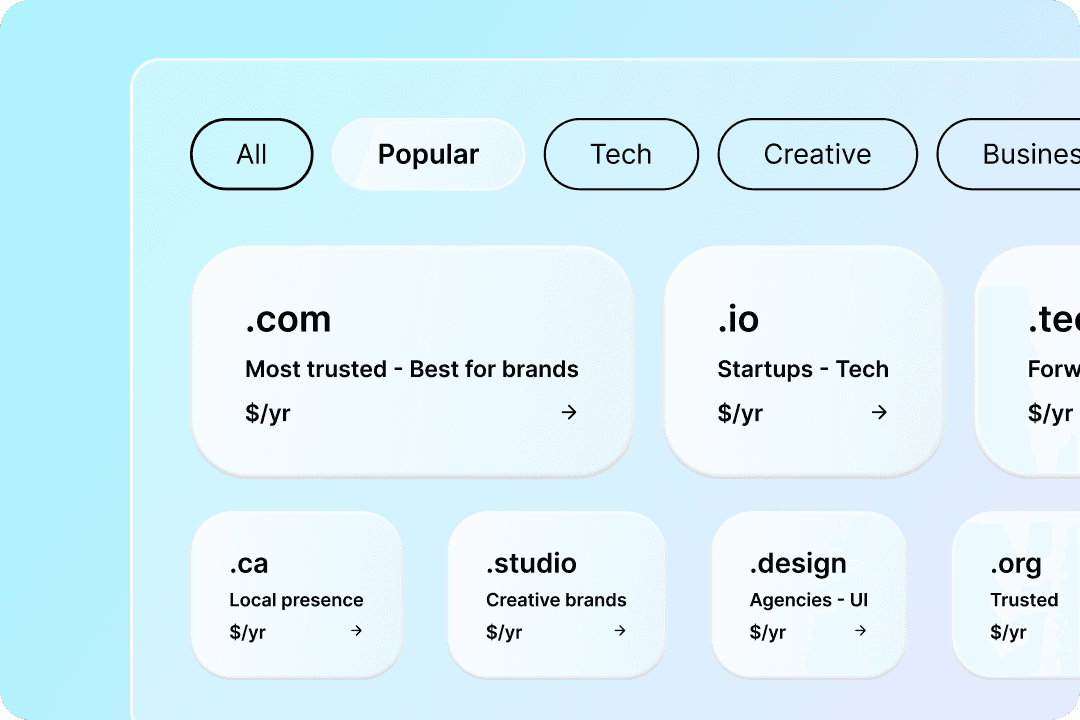
Learn how MSPs and agencies can build a focused domain offering, choose relevant gTLDs, and align domain options with client needs, industries, and long-term growth goals.
Learn how MSPs and agencies can build a focused domain offering, choose relevant gTLDs, and align domain options with client needs, industries, and long-term growth goals.
Learn how MSPs and agencies can build a focused domain offering, choose relevant gTLDs, and align domain options with client needs, industries, and long-term growth goals.